1a Hair Type Explained: The Straightest Hair Texture and How to Care for It
Hair typing has become one of the most useful tools in modern beauty, helping people understand why their strands behave the way they do. Among all the categories in the widely used Andre Walker system, the 1a hair type sits at the very straightest end of the spectrum. If your hair dries perfectly flat with almost no bend, refuses to hold a curl, and feels sleek from root to tip, chances are you belong to this group. Understanding what makes 1a hair unique is the first step toward choosing the right products, haircuts, and styling routines instead of fighting against your natural texture.
In this guide, we will explore everything about type 1a hair: how to recognize it, how it differs from 1b and 1c, what its strengths and challenges are, and how to keep it looking healthy and glossy. Whether you are building a personal hair care routine or simply curious about where your strands fit on the chart, this breakdown will give you practical, salon-informed answers.
What Is the 1a Hair Type?
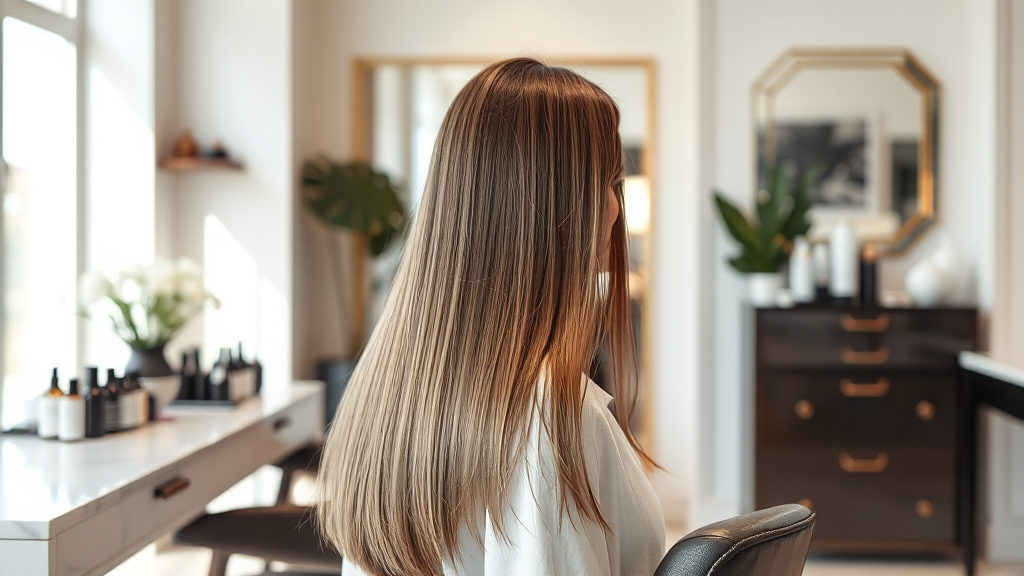
The 1a hair type is the finest, straightest, and sleekest of all hair textures. It falls under the Type 1 category, which covers all straight hair, but 1a is the extreme end of that range. Strands of 1a hair lie completely flat against the scalp with no visible wave, no curl, and no natural bend. Even after washing and air drying, the hair falls straight down as if it had been flat-ironed.
Because the individual strands are so fine and smooth, the cuticle layer sits very flat. This is what gives 1a hair its signature glass-like shine. Light reflects easily off the surface, making this hair type appear incredibly glossy in photos and in person. At the same time, that smooth cuticle means the hair has very little natural volume, and it can look limp or flat if it is not styled with intention.
People with 1a hair often describe it as “silky,” “baby fine,” or “almost slippery.” It is common in straight-haired populations and can range in density from thin to thick, though the strands themselves remain very fine. The key identifier is the complete absence of texture: no S-waves, no kinks, no curl pattern whatsoever.
How to Tell If You Have 1a Hair
Identifying your hair type is easier when you know what to look for. Here are the most reliable signs that you have 1a hair:
- No bend when wet: After washing, your wet hair hangs completely straight with no visible wave or curl.
- No bend when dry: Air-dried hair stays flat and sleek without any styling products.
- Curls fall out quickly: If you curl your hair, the curls drop within an hour or two, even with hairspray.
- Very shiny surface: Your hair reflects light easily and often looks glossy without added shine products.
- Fine strand diameter: Individual strands feel thin and almost invisible when held up to the light.
- Prone to oiliness: Because the cuticle is flat, natural oils travel down the strand quickly, making roots look greasy faster than other types.
- Difficult to add volume: Teasing, mousse, and root-lifting sprays only hold for a short time.
If most of these points sound familiar, you almost certainly have 1a hair. A quick way to confirm is to let your hair air dry with no product and observe it in a mirror. If it looks like it has been straightened, you are in the 1a category.
1a vs 1b vs 1c: What’s the Difference?
The Type 1 family includes three subcategories, and the differences come down to how much natural bend the hair has. Understanding these distinctions helps you choose the right products and techniques.
1a hair is completely straight with no bend at all. It is the finest and sleekest of the three. 1b hair has a slight bend or slight volume at the roots, giving it a little more body than 1a. It can hold a style slightly better and tends to look a bit fuller. 1c hair is still straight but has noticeable thickness and a slight wave underneath, often looking coarser and more resistant to styling.
In practical terms, 1a hair is the most delicate and the most prone to looking flat. It also tends to be the shiniest. If you are unsure which category you fall into, a professional stylist can assess your hair’s behavior after washing and air drying, which is the most accurate way to classify it.
Common Challenges of 1a Hair
While 1a hair is admired for its sleekness, it comes with its own set of frustrations. Knowing these challenges helps you plan a routine that works with your hair rather than against it.
Lack of Volume
The biggest complaint among people with 1a hair is that it falls flat. Because the strands are so fine and smooth, they have very little natural lift at the roots. Even after blow-drying with a round brush, volume tends to collapse within hours. This is not a sign of unhealthy hair; it is simply the nature of the texture.
Greasy Roots
Natural oils travel down straight, fine strands very quickly, which means the roots can look oily by the end of the day. This can make hair appear thinner than it actually is and often leads to frequent washing, which can strip the scalp and cause rebound oil production.
Difficulty Holding Styles
Curls, waves, and updos are notoriously hard to maintain on 1a hair. The smooth cuticle offers little friction, so pins and clips slide out, and curls unwind. This is why many people with this hair type rely on heat tools or chemical treatments to get lasting texture.
Fragility and Breakage
Fine strands are more delicate than coarse ones. They can break easily with rough brushing, tight elastics, or excessive heat. Over time, this can lead to split ends and a thinner appearance, especially at the ends.
How to Care for 1a Hair
A thoughtful routine can make 1a hair look its best without weighing it down. The goal is to add lightweight moisture and volume while avoiding heavy products that flatten the hair.
Choose the Right Shampoo and Conditioner
Look for volumizing or lightweight formulas designed for fine hair. Avoid heavy butters, oils, and thick creams that sit on the surface and make hair look greasy. A clarifying shampoo once a week can help remove buildup, but do not overdo it, as it can dry out the scalp.
Condition Strategically
Apply conditioner only from the mid-lengths to the ends, keeping it away from the roots. This prevents the scalp area from becoming oily while still nourishing the older, more fragile ends. A leave-in conditioner spray is often a better choice than a rinse-out cream for this hair type.
Dry with Care
Use a microfiber towel or a soft cotton t-shirt to blot excess water instead of rubbing vigorously. Rough drying causes friction and breakage on fine strands. When blow-drying, use the lowest heat setting and keep the dryer moving to avoid heat damage.
Add Volume Without Weight
Root-lifting sprays, mousse, and dry shampoo are your allies. Apply them at the roots and use a round brush while blow-drying to create lift. For a more natural look, try clipping the roots up while the hair cools; this helps the volume set.
Protect While You Sleep
A silk or satin pillowcase reduces friction and helps prevent breakage. Some people with 1a hair also benefit from a loose braid or a silk scrunchie at night to keep strands from tangling, though tight hairstyles should be avoided.
Styling Tips for 1a Hair
Styling 1a hair is all about creating the illusion of texture and volume while respecting the delicate nature of the strands. Here are some salon-tested techniques:
- Blow-dry upside down: This lifts the roots and gives temporary volume that lasts longer than brushing downward.
- Use velcro rollers: They add gentle lift without heat and are ideal for fine hair.
- Try a texturizing spray: Unlike heavy hairspray, a dry texturizing spray adds grip and holds styles without making hair stiff.
- Opt for a blunt cut: Blunt cuts make fine hair look thicker and fuller because the ends are not tapered.
- Consider a lob or bob: Shorter lengths naturally look fuller and are easier to style with volume.
- Use heat protectant: Always apply a lightweight heat protectant before using flat irons or curling wands.
- Embrace the sleek look: Sometimes the best strategy is to work with your natural texture and go for a polished, glossy finish.
If you want a more personalized recommendation, a professional stylist can assess your hair density, face shape, and lifestyle to suggest a cut that maximizes your natural advantages. Services like those offered by 1a hair type experts can help you understand your texture and choose the right approach.
Products That Work Well for 1a Hair
When shopping for products, look for labels that say “volumizing,” “lightweight,” or “for fine hair.” Ingredients like hydrolyzed wheat protein, panthenol, and light silicones can add body without weight. Avoid heavy oils such as coconut oil on the roots, as they can make fine hair look stringy.
Dry shampoo is a staple for 1a hair because it absorbs oil at the roots and adds texture. A good quality dry shampoo can extend a blowout by a day or two and give roots a much-needed lift. Similarly, a light-hold hairspray can set a style without making it crunchy.
For those who color their hair, be aware that fine strands can process faster than coarse ones. A professional colorist will adjust the timing to avoid damage. Highlights and balayage can add depth and make hair look thicker, which is a great option for 1a hair.
Frequently Asked Questions About 1a Hair
Can 1a hair hold a curl?
It can, but the curl will not last as long as it would on other hair types. To get maximum hold, use a lightweight mousse or texturizing spray before curling, set the curls with a light hairspray, and avoid touching them until they cool completely. Even then, expect the curl to loosen throughout the day.
Is 1a hair the same as fine hair?
No, they are different concepts. Hair type refers to the pattern (straight, wavy, curly, coily), while hair texture refers to the diameter of individual strands (fine, medium, coarse). You can have 1a hair that is fine, medium, or even coarse, though 1a is most commonly associated with fine strands.
How often should I wash 1a hair?
Because oils travel quickly down straight strands, many people with 1a hair wash daily or every other day. However, washing too often can strip the scalp. If you can, try to stretch to every other day using dry shampoo in between. Everyone’s scalp is different, so adjust based on how your hair feels.
What haircut is best for 1a hair?
Blunt cuts and one-length styles tend to look fullest on 1a hair. Layers can add movement but may make the ends look thinner if overdone. A bob or lob is often flattering because it creates the illusion of volume. Consulting a stylist who understands fine, straight hair is the best way to find a cut that suits your face shape and lifestyle.
Can 1a hair be dyed or chemically treated?
Yes, but it requires care. Fine strands are more susceptible to damage from bleach and relaxers. Always go to a professional who can assess your hair’s condition and choose gentle formulas. Bond-building treatments can help maintain strength during and after chemical services.
Final Thoughts on the 1a Hair Type
The 1a hair type is unique, delicate, and undeniably elegant. Its natural shine and sleekness are enviable, even if it comes with challenges like lack of volume and difficulty holding styles. By understanding your hair’s characteristics and choosing products and techniques that complement them, you can enjoy healthy, beautiful hair without frustration.
Whether you are just discovering your hair type or looking for better ways to care for it, remember that the right routine makes all the difference. Embrace the straight, glossy look that only 1a hair can achieve, and let your natural texture shine.