Transform Your Space: The Ultimate Guide to Bathroom Renovation Sydney
Learn more about Bathroom Renovation Sydney and how it applies to your specific needs.
Undertaking a project is one of the most rewarding home improvements you can make. Whether you are looking to increase property value, improve functionality, or simply create a personal sanctuary, a well-planned renovation can completely transform your daily routine. Sydney homeowners face unique challenges, from heritage considerations in older suburbs to maximising space in compact apartments. This comprehensive guide will walk you through every stage, from initial planning and budgeting to selecting materials and hiring the right professionals. With the right approach, your dream bathroom is within reach.
Learn more about Bathroom Renovator and how it applies to your specific needs.
The first step in any successful project is understanding your goals. Are you aiming for a modern minimalist look, a classic timeless design, or something in between? Consider how your family uses the space. Do you need a separate shower and bath, or is a walk-in shower more practical? Storage is another critical factor—think about built-in niches, vanity cabinets, and shelving. A clear vision will help you communicate effectively with your and stay on track throughout the process.
Planning Your Bathroom Renovation Sydney Project
Proper planning is the cornerstone of a stress-free renovation. Begin by setting a realistic budget that accounts for materials, labour, permits, and a contingency fund of at least 10–15% for unexpected issues. In Sydney, costs can vary widely depending on the size of the bathroom, the quality of finishes, and the complexity of the work. A standard bathroom renovation typically ranges from $15,000 to $35,000, while high-end projects can exceed $50,000. Always obtain multiple quotes from licensed tradespeople to compare pricing and scope.
Next, create a timeline. A typical bathroom renovation takes between 4 to 8 weeks, but delays can occur due to supply chain issues, weather, or structural surprises. Discuss the schedule with your contractor and plan for alternative arrangements if the bathroom will be out of service. Many Sydney homeowners choose to renovate during the quieter seasons to avoid peak demand. Remember to factor in council approvals if you are altering plumbing or structural elements—this is especially important in heritage-listed areas.
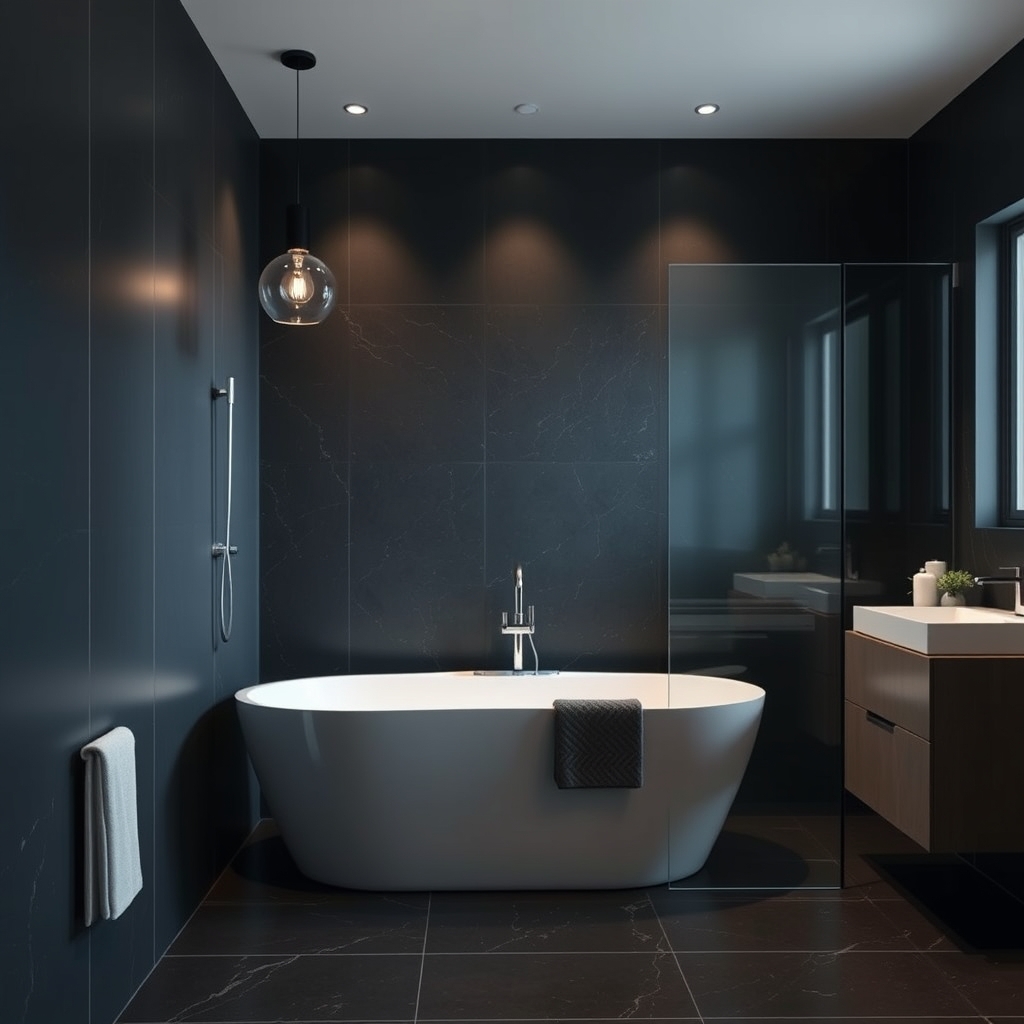
Design inspiration can come from many sources. Browse home improvement magazines, visit display villages, or explore online platforms like Pinterest and Houzz. Pay attention to layouts that maximise space and flow. For smaller bathrooms, consider wall-mounted vanities, corner showers, and large mirrors to create an illusion of spaciousness. For larger bathrooms, you might incorporate a freestanding bath, double vanity, or even a separate toilet cubicle. Your can provide valuable input on what is achievable within your budget and space.
Choosing the Right Materials and Fixtures
Selecting materials is where your vision starts to take physical shape. Tiles are a major design element—porcelain and ceramic are popular for their durability and water resistance. Natural stone like marble or travertine adds luxury but requires more maintenance. For floors, choose slip-resistant tiles to ensure safety, especially in wet areas. Large-format tiles can make a small bathroom appear larger, while mosaic tiles offer intricate patterns for feature walls.
Plumbing fixtures are another key consideration. Tapware, showerheads, and toilets come in a variety of styles and finishes. Chrome remains a classic choice, but brushed nickel, matte black, and brass are trending in Sydney homes. Water efficiency is important for both environmental and cost reasons—look for WELS-rated products. A rainfall showerhead can add a spa-like feel, while a hand shower offers practicality for cleaning and rinsing.
Vanities and storage solutions should balance aesthetics with function. Custom cabinetry allows you to maximise awkward spaces, while semi-custom or ready-to-assemble options can reduce costs. Consider materials like moisture-resistant MDF or plywood for longevity. Countertops made from engineered stone, quartz, or solid surface are durable and easy to clean. Don’t forget lighting—layered lighting with task, ambient, and accent fixtures creates a warm and functional environment. Install dimmers for flexibility, and use waterproof fittings in shower areas.
Ventilation is often overlooked but crucial in Sydney’s humid climate. A high-quality exhaust fan will prevent mould and mildew, protecting your investment. If possible, incorporate a window for natural light and airflow. Heated towel rails and underfloor heating are luxurious additions that add comfort during cooler months. Always discuss these options with your specialist to ensure they fit within the overall plan.
Hiring Professionals for Your Renovation
Learn more about House Renovations and how it applies to your specific needs.
While DIY can save money, a bathroom renovation involves complex plumbing, electrical, and waterproofing work that is best left to licensed professionals. Hiring a qualified ensures compliance with Australian standards and building codes. Start by researching local contractors with positive reviews and a portfolio of completed projects. Ask for references and check their licences and insurance. A reputable professional will provide a detailed contract outlining scope, timeline, payment schedule, and warranties.
Learn more about Renovation and how it applies to your specific needs.
Communication is key. Clearly articulate your expectations and be open to suggestions. A good contractor will flag potential issues early and offer solutions. Regular site meetings help keep the project on track. If you are managing the project yourself, coordinate between plumbers, electricians, tilers, and painters to avoid delays. Many Sydney homeowners opt for a design-build firm that handles everything from concept to completion, simplifying the process.
Waterproofing is a critical step that must be done correctly to prevent future water damage. In Australia, waterproofing must comply with AS 3740 standards and be carried out by a licensed professional. Ensure your contractor includes this in the scope and provides a certificate upon completion. Similarly, electrical work must be performed by a licensed electrician. Never compromise on safety or quality to save a few dollars—the long-term costs of fixing mistakes far outweigh the initial investment.
Maximising Small Bathroom Spaces
Many Sydney bathrooms are compact, especially in apartments and older homes. Clever design can make even the smallest space feel open and functional. Start by choosing a light colour palette—white, cream, soft grey—to reflect light and create an airy feel. Use large mirrors to visually double the space. A frameless glass shower enclosure eliminates visual barriers, making the room appear larger.
Storage solutions are essential. Use vertical space with tall cabinets or open shelving. Recessed niches in the shower wall provide a place for toiletries without protruding. Wall-mounted vanities free up floor space and make cleaning easier. Corner sinks and toilets can maximise awkward layouts. Consider a pocket door instead of a hinged door to save swing space. Every centimetre counts, so plan carefully with your team to optimise the layout.
Lighting also plays a crucial role. Combine overhead lighting with task lights around the mirror and accent lights to highlight features. Use LED strips under vanities or along shelves for a modern touch. If natural light is limited, a skylight or solar tube can bring in daylight without compromising privacy. These small adjustments can dramatically improve the overall feel of your bathroom.
Sustainable and Eco-Friendly Renovation Options
Sustainability is increasingly important for Sydney homeowners. Eco-friendly renovations reduce your environmental footprint and can lower utility bills. Start by choosing water-efficient fixtures—low-flow toilets, aerated tapware, and efficient showerheads can save thousands of litres per year. Consider a dual-flush toilet and a water-saving shower system.
Materials also matter. Recycled or reclaimed tiles, timber, and stone add character while reducing waste. Look for products with low volatile organic compounds (VOCs) to improve indoor air quality. Bamboo and cork are renewable options for flooring. Energy-efficient LED lighting and smart ventilation systems can further reduce energy consumption. If your budget allows, solar hot water systems or heat pump water heaters are excellent long-term investments.
Waste management during the renovation is another consideration. Work with a contractor who recycles materials where possible. Old tiles, fixtures, and timber can often be donated or repurposed. Proper disposal of hazardous materials like asbestos (common in older Sydney homes) must be handled by licensed professionals. An eco-conscious can guide you through these choices to create a beautiful, sustainable space.
FAQs
How long does a typical bathroom renovation in Sydney take?
Most bathroom renovations take between 4 to 8 weeks, depending on the scope of work, availability of materials, and the complexity of the design. Simple cosmetic updates may be quicker, while full structural changes can extend the timeline. Always discuss a realistic schedule with your contractor before starting.
Do I need council approval for a bathroom renovation in Sydney?
Council approval is generally not required for cosmetic renovations like replacing tiles, fixtures, or vanities. However, if you are altering plumbing, electrical systems, or structural walls, you may need a building permit or complying development certificate. Heritage-listed properties have additional restrictions. Check with your local council or a qualified professional to ensure compliance.
What is the average cost of a bathroom renovation in Sydney?
The cost varies widely based on size, quality of materials, and labour. A basic renovation can start around $15,000, while mid-range projects typically cost $20,000–$30,000. High-end renovations with premium fixtures, custom cabinetry, and natural stone can exceed $50,000. Always obtain multiple quotes and include a contingency fund for unexpected expenses.
How can I make my small bathroom look bigger?
Use light colours, large mirrors, and frameless glass shower enclosures to create an illusion of space. Wall-mounted vanities and toilets free up floor area. Maximise vertical storage with tall cabinets or shelves. Good lighting—both natural and artificial—also helps the room feel more open. A skilled designer can help you optimise the layout for your specific space.
What is the most important aspect of a bathroom renovation?
Waterproofing is the most critical element. Improper waterproofing can lead to leaks, mould, and structural damage, which are costly to repair. Ensure your contractor follows Australian standards (AS 3740) and provides a waterproofing certificate. Quality workmanship in plumbing, electrical, and tiling is also essential for longevity and safety.