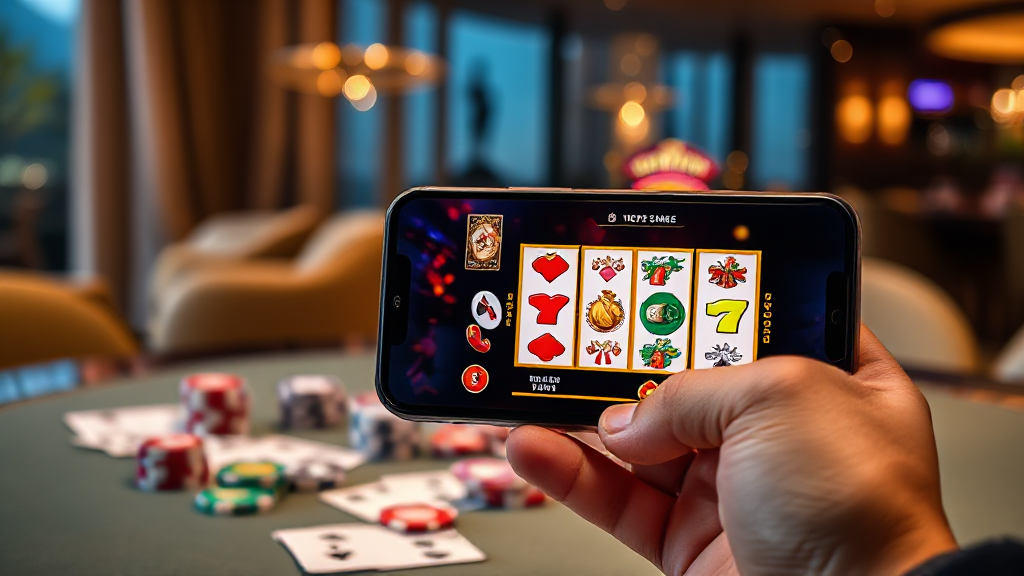
How to Find the Best Game for Your First Real-Money Session
You have heard people talk about mobile gaming apps that pay real cash, you have a phone in your hand, and you want to try one session without losing money on something you do not understand. That is the actual problem. It is not about finding a list of games. It is about choosing one game you can learn in an evening, on a platform that will not waste your time with confusing menus or unclear rules. This piece is written the way a consultant would sit with a cautious client: start with the decision, explain what matters, then give you one clear action to take.
If you want a single starting point, the best game for a first session is usually the simplest one on the platform you already trust. Simplicity beats variety when you are new. A game with three clear rules will teach you more in twenty minutes than five complicated games will teach you in a week. So before you download anything, decide what kind of session you actually want: a few quick rounds, a slow card game with other players, or a table with a live dealer on screen. That single decision narrows your options faster than any ranking list.
Start With the Type of Session You Want
Most beginners jump straight to game names and then feel overwhelmed. Reverse the order. Think about how much time you have and how much attention you can give. If you have ten minutes on a commute, fast slot rounds suit you because each spin resolves quickly and you can stop at any point. If you have a quiet hour at home, a card game like Teen Patti rewards patience and reading other players. If you want the feeling of a real table without travelling, a live casino stream puts a dealer in front of you in real time.
Each of these three formats asks something different from you. Slots ask almost nothing except a budget decision. Card games ask you to learn hand rankings and betting rounds. Live tables ask you to follow the dealer’s pace and understand the table layout before you sit down. None of them is harder than the others in an absolute sense, but each one is harder for a specific kind of beginner. A person who dislikes waiting will find live tables slow. A person who dislikes quick losses will find high-speed slots stressful. Match the format to your temperament and half the difficulty disappears.
There is also a practical layer here that people skip. Check whether the app runs smoothly on your device before you commit an evening to it. A platform that loads quickly, keeps your balance visible, and does not log you out mid-round removes a surprising amount of friction. On top one, the mobile app is built around exactly that kind of short session, which is why it works well as a first platform rather than a fifth one.
Learn One Game Properly Before Adding Another
The most common mistake a new player makes is spreading attention across four games in the first week. The result is that they never learn any of them well enough to enjoy them. Pick one. Give it three or four sessions. Learn what a normal round looks like, what a good round looks like, and what a bad round looks like. Only then add a second game.
For a card game such as Teen Patti, the learning curve is mostly about hand strength and when to fold. You can practise reading the table without betting much. For slots, the learning curve is about understanding volatility: some machines pay small amounts often, others pay large amounts rarely. Neither is better, but they feel completely different, and you should know which feeling you prefer before you set a budget. For live tables, the learning curve is about pace and etiquette, which you absorb simply by watching a few rounds before placing anything.
A useful test: after each session, write one sentence about what confused you. If the same confusion appears twice, that is the thing to study next. This is how experienced players actually improve, and it works just as well for someone on their first week. It also stops you from blaming the game for a loss that was really a rules misunderstanding.
Judge the Platform Before You Judge the Game
A great game on a poorly run platform is a bad experience, and a simple game on a well-run platform is a good one. So judge the platform first. Four things matter more than anything else.
Clarity of the rules. Can you find the rules for a game in under a minute? If the app hides them behind three menus, that is a warning sign. A serious platform puts the rules where you can see them before you spend anything. no one fun
Visible balance and history. You should always be able to see what you deposited, what you spent, and what you won, without digging. If the numbers are hard to find, you cannot manage a budget, and budget management is the single most important skill in this hobby.
Support that responds. Every platform has problems sometimes. What matters is whether a human answers. Telegram support, for example, tends to be faster than an email form, and it lets you keep a record of the conversation. Test it once with a small question before you need it in a hurry.
Age and responsibility checks. A platform that clearly states its 18+ policy and does not push you to spend more is behaving properly. A platform that floods you with urgency is not. This is not a small detail. It tells you what kind of business you are dealing with.
When you find a platform that passes all four checks, the question of which game to play becomes much easier, because you can experiment without worrying about the ground shifting under you. This is roughly the position top one game aims to occupy: one app, several formats, and a support channel you can actually reach.
Set a Budget and a Stop Rule Before Your First Round
This is the part beginners skip, and it is the part that decides whether the hobby stays fun. Decide two numbers before you open the app. The first is the amount you are willing to spend this week. The second is the amount that, if you lose it in one session, makes you close the app and stop for the day.
Write both numbers down somewhere outside the app. The reason is simple: inside the app, everything is designed to keep you playing, and your own judgement is the only thing that will stop you. A number written on paper is harder to argue with than a number in your head. If you have ever wondered why experienced players seem calm, it is usually because they made this decision in advance and are simply following it.
There is a second rule worth adding: never chase a loss in the same session. If you lose your session limit, stop. Come back tomorrow with a clear head. The games will still be there. This one habit prevents the kind of evening that turns a hobby into a problem, and it costs you nothing to adopt.
Finally, treat bonuses as a bonus, not as a plan. A welcome offer can extend your first session, which is genuinely useful when you are learning, but it should never be the reason you deposit more than your budget. Read the conditions once, understand what is required, and then forget about them and play your game.
Your First Session, Step by Step
Here is the practical closing action. Do this once, in order, and you will know more about your own preferences than most people learn in a month.
First, choose your format: fast slots, a card game, or a live table. Second, download the app from the official source and create your account, taking a minute to confirm the login details work. Third, find the rules for your chosen game and read them properly, even if they look obvious. Fourth, deposit only your weekly budget, no more. Fifth, play a short session, around twenty minutes, and stop when the time is up regardless of whether you are ahead or behind. Sixth, note one thing you learned and one thing that confused you.
Repeat that cycle three times with the same game. By the end of it you will have a real opinion about what suits you, which is worth far more than any list someone else wrote. If the game still feels confusing after three honest sessions, switch formats rather than pushing through. There is no prize for sticking with something you do not enjoy.
The people who get the most out of real-cash mobile gaming are not the ones who found some secret title. They are the ones who picked one game, learned it properly, kept their budget honest, and treated the whole thing as entertainment rather than income. That approach works on any platform, and it works from your very first round. If you are still deciding where to begin, pick a format, set your two numbers, and give it one careful session. That is the whole method, and it is enough.